By the Valor Peak crew
Longmont, Colorado
How does Colorado climate affect a whiskey barrel?
A barrel is part of its environment. Temperature changes affect the liquid and wood, influencing how the spirit interacts with the barrel interior. Storage buildings may soften or amplify those changes. A cool corner and an exposed upper position can behave differently even within the same property. That makes warehouse conditions important, not just the city printed on a label.
Colorado can offer pronounced seasonal temperature changes, but it is not one uniform aging environment. Elevation, building design and local weather vary. The useful question is how a crew monitors barrels in its own space. At Valor Peak, oak and time are part of the Longmont story. Our process page explains that relationship without claiming every Colorado barrel tastes the same.
What is the angel's share in dry air?
The angel's share is the portion of spirit that evaporates during barrel storage. Both water and alcohol can leave through the wood, and their relative rates depend on conditions. Drier surroundings can favor water loss, potentially changing the strength of what remains, but temperature and storage details also play a role.
Evaporation is not a quality score. More loss does not automatically mean more flavor or a better bottle. It affects yield and the balance inside a barrel, so distillers need to pay attention to it. There is no reliable universal evaporation percentage for all Colorado whiskey. When a number is not confirmed for a particular producer and storage method, a general explanation is more honest than a dramatic statistic.
Does altitude change how whiskey is made?
Elevation affects atmospheric pressure, which can influence boiling behavior during distillation. Distillers operate their equipment with their local conditions in mind. That does not mean a higher location automatically creates a smoother or more complex spirit. The way a still is managed remains central to the result.
Altitude is also connected to weather patterns, but humidity and temperature are separate influences worth discussing on their own. Avoid using elevation as a shorthand for everything that happens in the barrel. Our distillery is in Longmont, where local conditions form one piece of the process. Ask the crew how they respond to their environment rather than expecting a mountain address to explain the whole glass. Thoughtful choices matter at every elevation.
Does mountain water make better whiskey?
Water supports mashing and fermentation and is often used when adjusting spirit for bottling. Its mineral composition and suitability can affect production, and consistent treatment helps the distiller keep a repeatable process. Clean, appropriate water matters more than a romantic description of where it began.
Colorado's mountain-water identity is meaningful regional context, but do not assume every distillery draws directly from a mountain stream. Sources and treatment vary. Nor should a visitor infer a particular source for a bottle unless the producer confirms it. The same caution applies to tasting: most finished whiskey flavor comes from a combination of grain, fermentation, distillation and maturation. Water supports that combination rather than replacing the need for careful work.
“Place matters. The decisions made in that place matter just as much.”
What role can local grain play?
Grain connects spirits to agriculture. A producer working with regional grain may gain a closer relationship with growers and a clearer understanding of the raw material. Grain variety, condition and how it is processed can all affect production. Local sourcing is a choice worth discussing, not a guarantee of one particular flavor.
Do not assume every Colorado whiskey uses only Colorado-grown grain. Brands may source ingredients or spirit in different ways, and transparency matters more than a simple geographic slogan. Our Grain to Glass series focuses on the steps carried out in our Longmont distillery. Ask what is made on site and which ingredients are used for the expression you are considering. A direct answer builds confidence without needing a sweeping claim about the entire region.
Why has Colorado become a place to explore craft spirits?
Colorado's craft drinks culture gives visitors opportunities to meet small production teams, ask questions and try different styles close to where they are made. Tasting rooms make that conversation accessible. You can connect a bottle to a person and a process instead of choosing only from a shelf description.
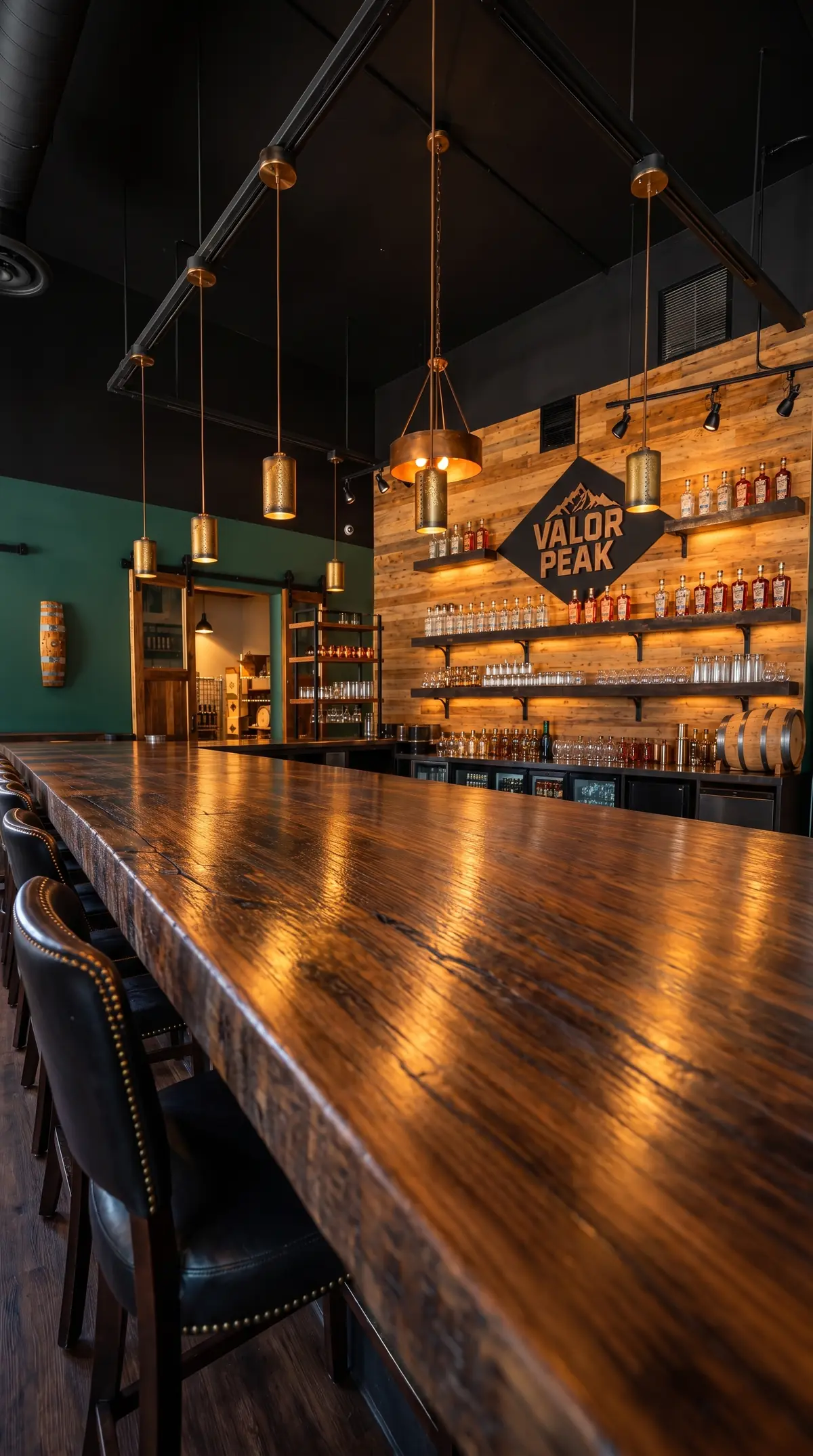
The scene is varied, and it is better understood through those individual experiences than through unsupported growth figures. Some producers emphasize whiskey, while others work across gin, vodka and other spirits. There is no single Colorado flavor that covers them all. At Valor Peak, a veteran-owned distillery with a welcoming Longmont room, our lineup is a practical starting point for understanding how different styles can share one home.
How should you compare Colorado whiskey styles?
Start with the category and the intended use. Compare a grain-forward style with an oak-forward one, or ask for two contrasting pours recommended by the crew. Notice aroma first, then a small sip and the finish. A little water may reveal a different impression. Take short notes in words that mean something to you.
Do not rank bottles by color or equate stronger with better. If one whiskey feels sharp, that may reflect strength, serving conditions or your preferences rather than a simple quality failure. Our guide to good whiskey explains a relaxed tasting method. You can also use a cocktail to discover a style, especially if neat spirits are unfamiliar. Tell the bar what flavors you usually enjoy and let the conversation start there.
How do you plan a responsible Colorado tasting visit?
Choose a manageable plan with time to eat, drink water and ask questions. Arrange a driver who does not drink, a ride service or another safe transportation option before the first pour. Never treat a tasting day as a race to cover the most stops. A single thoughtful visit can teach you more than a crowded schedule.
Longmont makes a useful base for enjoying the Front Range, with walking routes, downtown exploration and a distillery visit as separate parts of the day. Check our current hours and book a tour if you want to focus on production. We welcome curiosity, not just experienced whiskey drinkers. The point is to leave with a clearer idea of what you enjoy and a safe way home, not a tally of finished glasses.
What else should you know?
Does Colorado whiskey mature faster?
Local conditions can change extraction and evaporation, but maturation involves several processes. Avoid treating warmer or drier storage as a simple shortcut or comparing years through a fixed formula.
Is all Colorado whiskey made from local grain?
No blanket assumption is safe. Ask the producer about the particular expression. Where a bottle is sold or branded does not by itself establish where its grain was grown.
Does altitude guarantee smoother whiskey?
No. Elevation affects production conditions, not a universal quality ranking. Fermentation, distillation, barrels and the maker's choices all contribute to the final drink.
Where should I begin at Valor Peak?
Explore our spirits, then ask the crew for contrasting styles that suit your palate. A tour and the Grain to Glass story connect those tastes to the process in Longmont.